
The Science of Relaxation: How Spa Treatments Improve Mental Health
Blog post description.
11/6/20253 min read
🌸 The Science of Relaxation: How Spa Treatments Improve Mental Health
In today’s fast-paced world, stress has become a silent epidemic. Between constant digital notifications, work pressure, and personal responsibilities, our minds rarely get a chance to rest. This is where the science of relaxation comes in — and why a visit to the spa is much more than a luxury.
Modern research shows that spa treatments can trigger measurable physiological and psychological changes that improve mental health, balance hormones, and support long-term well-being. Let’s explore how and why this works.
🧠 1. Understanding the Stress Response
When we experience stress, the body activates the sympathetic nervous system — commonly known as the fight-or-flight response.
This releases hormones like cortisol and adrenaline, which increase heart rate, raise blood pressure, and keep the mind on high alert.
While this response helps us deal with short-term challenges, chronic stress can lead to:
Anxiety and depression
Insomnia
Fatigue and burnout
Muscle tension and pain
Skin conditions like acne or eczema
To restore balance, the body needs to activate its counterpart: the parasympathetic nervous system, or rest-and-digest mode. Spa treatments are scientifically proven to help trigger this healing response.
💆♀️ 2. How Spa Treatments Activate the Relaxation Response
Massage Therapy
Touch is one of the most powerful forms of healing. Studies show that massage therapy reduces cortisol levels by up to 30% while increasing serotonin and dopamine — the body’s natural “feel-good” chemicals.
This biochemical shift helps lower anxiety, improve sleep, and even reduce symptoms of depression.
Regular massage also releases muscle tension, improving blood flow and oxygenation — which signals the brain that it’s safe to relax.
Aromatherapy
Essential oils such as lavender, chamomile, and bergamot have been shown to directly affect the limbic system, the part of the brain responsible for emotions and memory.
When inhaled during a massage or facial, these scents can:
Lower heart rate and blood pressure
Calm the mind
Improve emotional balance
For example, lavender oil has been linked to reduced anxiety levels comparable to certain mild anti-anxiety medications — but without the side effects.
Hydrotherapy and Steam Treatments
Water has an innate ability to soothe the body and mind. Immersion in warm water — through a jacuzzi, sauna, or steam room — improves circulation, relieves muscle tension, and promotes endorphin release.
The heat also encourages deep breathing, which lowers cortisol levels and induces a meditative state. Regular hydrotherapy sessions can enhance mood stability and reduce chronic fatigue.
Facials and Skin Treatments
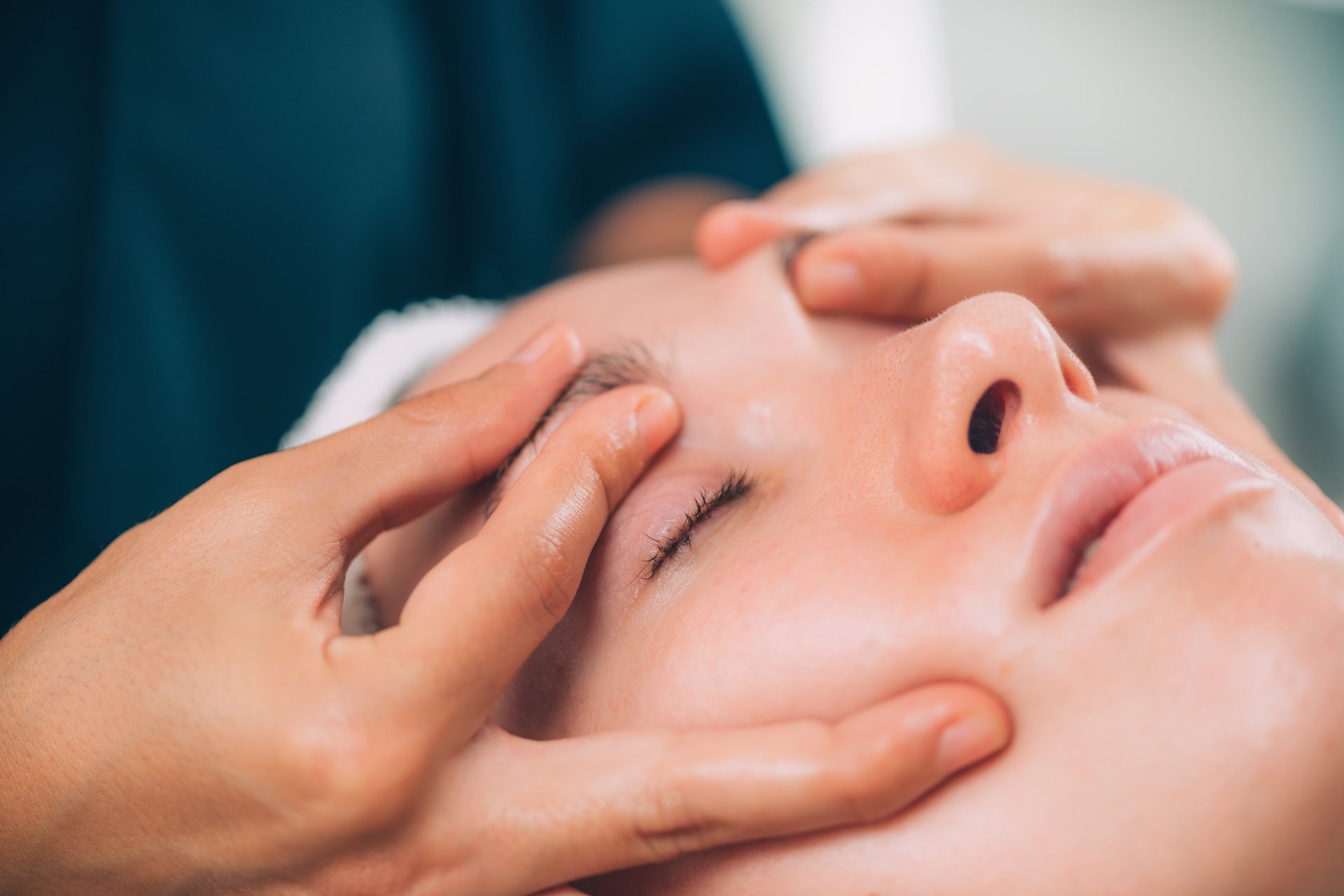
Facials are not just about glowing skin — they can also promote emotional calm. The combination of gentle touch, rhythmic movements, and pleasant aromas activates sensory nerves that send signals of comfort to the brain.
Moreover, taking time for self-care boosts self-esteem and self-image, which are key components of mental well-being.
🌿 3. The Role of Mindfulness in Spa Therapy
Many spa experiences naturally encourage mindfulness — the practice of being present in the moment without judgment.
During a massage or body treatment, you are invited to disconnect from the outside world, slow your thoughts, and reconnect with your breath and body.
Mindfulness helps:
Reduce overthinking and emotional reactivity
Increase self-awareness
Build resilience to future stress
When combined with spa therapies, mindfulness deepens the relaxation response and can have long-lasting effects on emotional stability.
💫 4. The Long-Term Mental Health Benefits of Regular Spa Visits
Incorporating spa visits into your wellness routine can yield significant cumulative benefits:
Improved Sleep Quality: Regular relaxation lowers cortisol and promotes melatonin production.
Reduced Anxiety and Depression: Consistent treatments help balance mood-regulating neurotransmitters.
Enhanced Focus and Productivity: A calm mind is a clear mind.
Boosted Immunity: Chronic stress weakens immune response; relaxation helps restore it.
Increased Self-Compassion: Making time for yourself sends a powerful message that your well-being matters.
🌸 5. How to Make the Most of Your Spa Experience
To fully embrace the mental health benefits of spa therapy:
Choose treatments that match your stress level and body’s needs.
Combine physical therapies (massage, facials) with sensory experiences (aromatherapy, sound healing).
Practice deep breathing or guided meditation during treatments.
Disconnect from your phone — allow yourself a true digital detox.
Maintain consistency. Even monthly spa visits can make a noticeable difference.
💖 Final Thoughts
Relaxation isn’t a luxury — it’s a science-backed necessity for a healthy, balanced life.
Spa treatments provide a powerful gateway to reconnect with your body, calm your mind, and restore your spirit.
In a world that constantly demands more from us, stepping into a spa is an act of self-preservation — a reminder that true wellness starts from within.
Relaxation
Welcome to Ocean Spa, your premier destination for relaxation and healing in Chennai. Established in 2019, we have been dedicated to providing exceptional massage therapies that help soothe the body, relieve muscle tension, and offer ultimate relaxation
contact us:
© 2024. All rights reserved.
Contact info
Call us at:
Mobile 1: 9789991895
Mobile 2: 9789991865Address:
Shop No.1, R6 Mall, 20/21, Santhosh Nagar, Korattur, Chennai, Puthagaram, Tamil Nadu 6000