
💆♀️ Swedish vs. Deep Tissue Massage: Which One Is Right for You?
Blog post description.
11/3/20253 min read
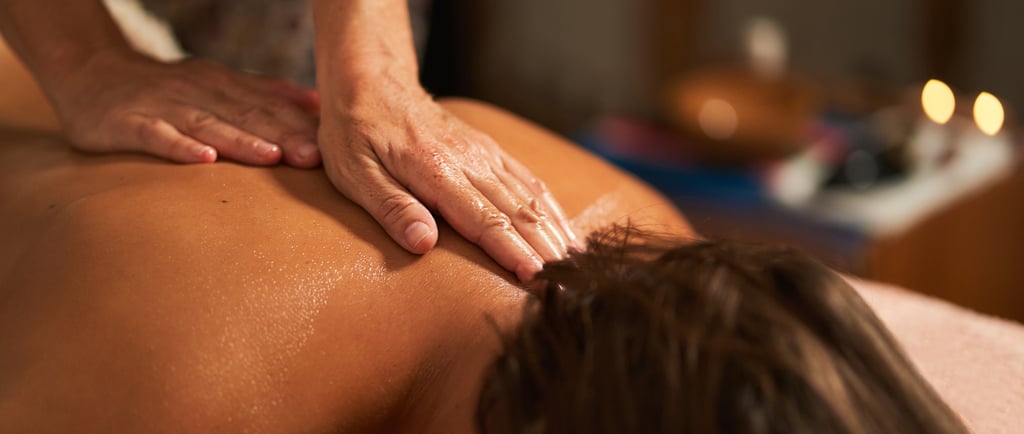
💆♀️ Swedish vs. Deep Tissue Massage: Which One Is Right for You?
When it comes to massage therapy, there’s no “one-size-fits-all.” At first glance, Swedish and deep tissue massages may seem similar — both are relaxing, involve skilled hands, and leave you feeling rejuvenated. But the truth is, they are designed for different needs and outcomes.
Choosing the right massage can enhance your wellness, relieve specific issues, and ensure you get the maximum benefit from your spa visit. Let’s break down the differences, benefits, and ideal scenarios for each.
🌿 1. Understanding Swedish Massage
Swedish massage is the most common type of massage offered in spas worldwide. It’s often the go-to for first-time massage clients.
💆 What It Is
Uses long, flowing strokes, kneading, and gentle circular movements.
Primarily targets surface muscles, improving circulation and relaxation.
Often paired with aromatherapy oils or soothing music to enhance calm.
🌸 Key Techniques
Effleurage: Long, gliding strokes to warm up the muscles and improve blood flow.
Petrissage: Gentle kneading and rolling of the muscles to release tension.
Friction: Circular movements on deeper layers of muscle to enhance flexibility.
Tapotement: Light tapping or rhythmic pounding to stimulate muscles.
Vibration/Shaking: Helps relax specific areas of the body.
💖 Benefits of Swedish Massage
Promotes deep relaxation and reduces stress.
Improves blood circulation, delivering more oxygen to muscles and tissues.
Relieves mild muscle tension and stiffness.
Enhances flexibility and joint mobility.
Boosts mood by stimulating endorphin release.
🧘 Ideal For
People new to massage therapy.
Those seeking stress relief and relaxation.
Clients with mild muscle tension or fatigue.
Anyone looking for a gentle, full-body rejuvenation.
🌿 2. Understanding Deep Tissue Massage
Deep tissue massage is more therapeutic and targeted, focusing on the deeper layers of muscle and connective tissue. It’s designed to relieve chronic pain, injuries, and severe muscle tension.
💆 What It Is
Uses slower, more intense strokes to reach deeper muscles.
Focuses on specific problem areas, such as tight shoulders, lower back, or hamstrings.
Can be slightly uncomfortable during treatment — a sign that the therapist is working through muscle adhesions (knots).
🌸 Key Techniques
Deep finger pressure: Targeted pressure to release chronic tension.
Cross-fiber friction: Breaks down scar tissue and adhesions.
Slow strokes along muscle fibers: Encourages long-term relaxation and alignment.
💖 Benefits of Deep Tissue Massage
Relieves chronic pain in areas like the neck, shoulders, and lower back.
Breaks down scar tissue and adhesions from injuries or surgery.
Improves mobility and posture by releasing tight muscles.
Reduces inflammation and muscle spasms.
Supports long-term recovery from athletic or repetitive stress injuries.
🧘 Ideal For
People with chronic muscle pain or tension.
Athletes or active individuals recovering from strain or injury.
Clients with posture-related discomfort.
Those seeking therapeutic, corrective massage rather than just relaxation.
🌿 3. Key Differences Between Swedish and Deep Tissue Massage
Feature
Swedish Massage
Deep Tissue Massage
Pressure Level
Light to medium
Medium to firm
Speed
Slow, flowing
Slow, focused
Focus
Full-body relaxation
Specific problem areas
Muscle Depth
Surface muscles
Deep muscles & connective tissue
Ideal Goal
Relaxation, stress relief
Pain relief, injury recovery
Comfort Level
Gentle and soothing
Can be intense; slight discomfort possible
🌿 4. How to Choose the Right Massage for You
When deciding between Swedish and deep tissue massage, consider:
Your goals:
Want to relax and de-stress? → Swedish massage.
Have chronic pain, knots, or injury recovery needs? → Deep tissue massage.
Your comfort level:
Prefer gentle touch and light pressure → Swedish massage.
Can tolerate more intense pressure → Deep tissue massage.
Your current body condition:
Minor stiffness or fatigue → Swedish massage.
Muscle strain, tightness, or postural issues → Deep tissue massage.
Frequency:
Swedish massage can be done more regularly (weekly or biweekly).
Deep tissue massage is often spaced out (every 3–4 weeks) due to intensity.
💡 Pro Tip: Many spas, including [Your Spa Name], offer hybrid sessions — starting with Swedish techniques to warm up muscles, then moving into deeper pressure for problem areas. It’s the best of both worlds.
🌿 5. Tips for Your Massage Session
Communicate with your therapist: Let them know your comfort level and any areas of pain.
Hydrate before and after: Helps flush out toxins released during massage.
Relax and breathe deeply: Helps your muscles respond better to pressure.
Follow up with self-care: Stretch, use heat or cold therapy, and rest when needed.
🌸 6. Final Thoughts
Both Swedish and deep tissue massages offer incredible benefits — the key is matching the massage to your body’s needs.
Choose Swedish for relaxation, stress relief, and overall wellness.
Choose Deep Tissue for targeted therapy, chronic pain relief, or recovery from muscle injury.
A massage tailored to your needs not only eases tension but also enhances overall health, mobility, and emotional well-being.
💖 Your Invitation: Experience both styles at [Your Spa Name] and discover which one transforms your body and mind. Book your session today and take the first step toward ultimate relaxation and rejuvenation.
Relaxation
Welcome to Ocean Spa, your premier destination for relaxation and healing in Chennai. Established in 2019, we have been dedicated to providing exceptional massage therapies that help soothe the body, relieve muscle tension, and offer ultimate relaxation
contact us:
© 2024. All rights reserved.
Contact info
Call us at:
Mobile 1: 9789991895
Mobile 2: 9789991865Address:
Shop No.1, R6 Mall, 20/21, Santhosh Nagar, Korattur, Chennai, Puthagaram, Tamil Nadu 6000